


With electricity bills steadily rising, finding ways to cut power consumption is a priority for most households. Heavy appliances like air conditioners, refrigerators, and washing machines can double a monthly bill during peak seasons. Enter StopWatt—a widely advertised device claiming to reduce home electricity consumption by up to 40%.
Is StopWatt a legitimate solution to high utility costs, or just another internet gimmick? Here is an objective breakdown of how it works and what the science says.
What is StopWatt?
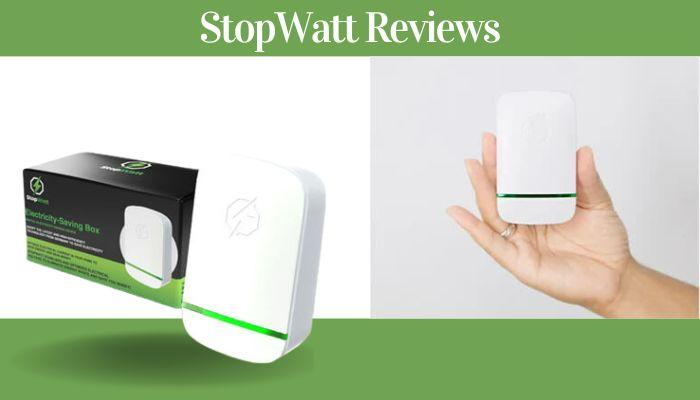
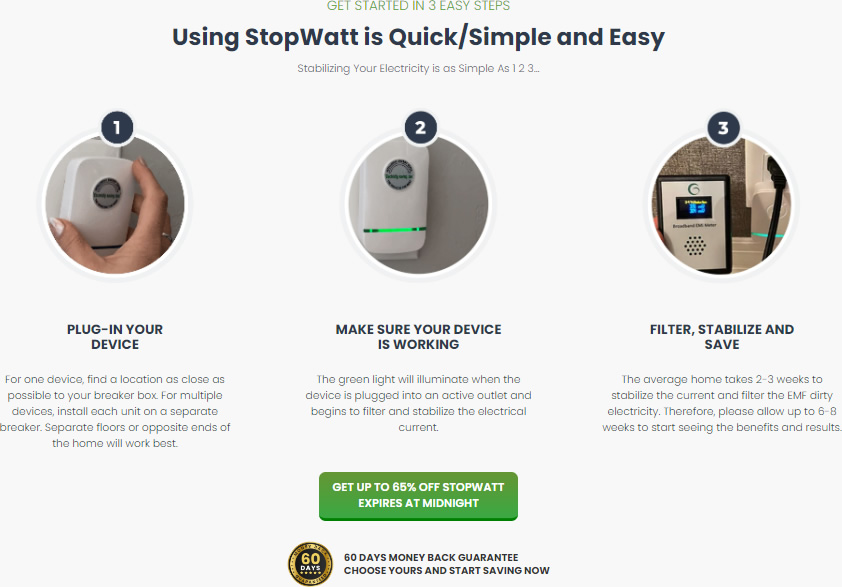
StopWatt is a small, plug-in device marketed as an “Electricity Saver” or “Power Factor Controller.” About the size of a standard nightlight, it requires no installation. You simply plug it into a wall outlet and switch it on. A small green LED lights up to indicate that the device is active.
According to the manufacturer, StopWatt stabilizes your home’s electrical current, reduces dirty electricity, and stops energy waste within your wiring.
How StopWatt Claims to Work
The promotional claims behind StopWatt center on three main electrical principles:
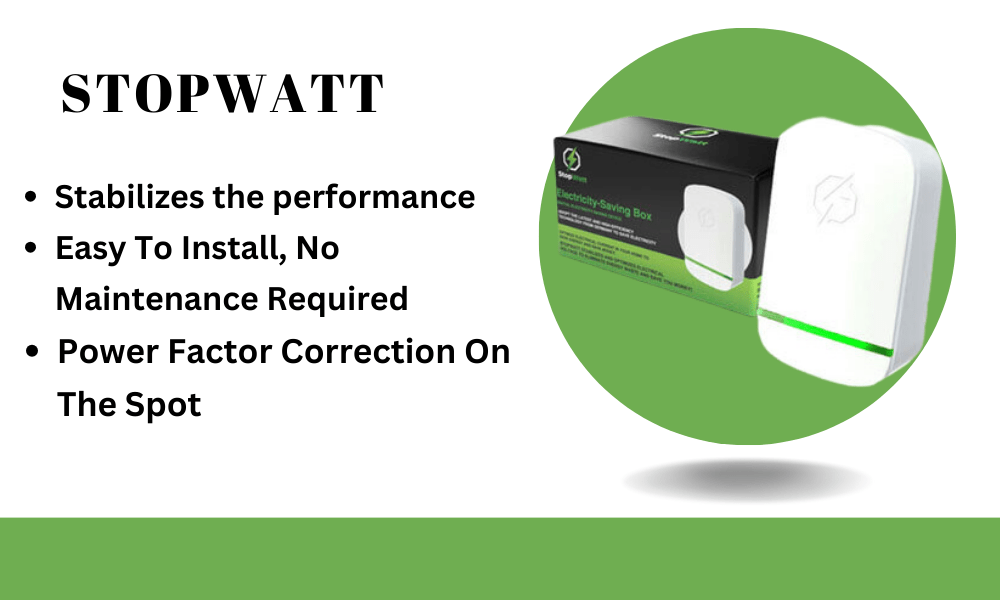
- Power Factor Correction: Heavy appliances with motors (inductive loads) create energy inefficiencies. StopWatt claims to correct this power factor, making energy usage more efficient.
- Voltage Stabilization: It promises to smooth out voltage spikes, protecting delicate home electronics and extending their lifespan.
- Reducing Waste: The device purports to reduce heat loss in home wiring, ensuring electricity reaches appliances efficiently.
The Technical Reality: Does It Work?
When evaluated using standard electrical engineering principles, the claims fall short for standard residential utility systems:
- Residential vs. Commercial Metering: StopWatt contains a small capacitor designed to adjust the power factor. However, residential electric meters measure Active Power (kWh)—the actual energy consumed—not the power factor. Correcting the power factor benefits industrial setups with reactive power billing, but it does not change residential electricity bills.
- Insignificant Impact on Household Electronics: Non-motorized items (LED bulbs, TVs, laptops, and chargers) run on active power alone and receive zero efficiency benefits from a capacitor-based device.
- Self-Power Draw: StopWatt consumes a small amount of electricity continuously to power its internal light and circuit, slightly increasing total power draw rather than decreasing it.
Independent tests by electrical engineers and consumer protection organizations consistently show that plug-in power savers provide no measurable reduction in home electricity bills.
Pros and Cons
Pros:
- Simple plug-and-play operation.
- Compact, lightweight design.
- Offers minor surge protection against tiny voltage fluctuations.
Cons:
- Fails to deliver on the advertised 40% energy reduction.
- Represents an unnecessary out-of-pocket expense with no return on investment.
- Numerous unverified generic knockoffs flood the market.
Effective Ways to Actually Lower Your Electricity Bill
Instead of relying on plug-in devices, proven energy-efficiency habits yield real savings:
- Upgrade to High-Efficiency Appliances: Choose ENERGY STAR or high-star-rated ACs, refrigerators, and heat pumps.
- Switch to LED Lighting: Replace all incandescent and CFL bulbs with energy-efficient LEDs.
- Eliminate Phantom Loads: Unplug electronics or use smart power strips to prevent standby power draw from TVs, consoles, and chargers.
- Optimize Thermostat Settings: Setting air conditioners to 75°F–78°F (24°C–26°C) significantly cuts cooling costs.
- Consider Solar Installation: Installing residential solar panels offers a permanent, long-term reduction in grid dependency.
Final Verdict
StopWatt and similar plug-in “energy savers” do not work as advertised for residential homes. They cannot magically cut your electric bill in half. True energy savings come from using energy-efficient appliances, adopting smart usage habits, or investing in renewable energy like solar power.

